Memory: The Key to Consciousness by Richard F. Thompson & Stephen A. Madigan
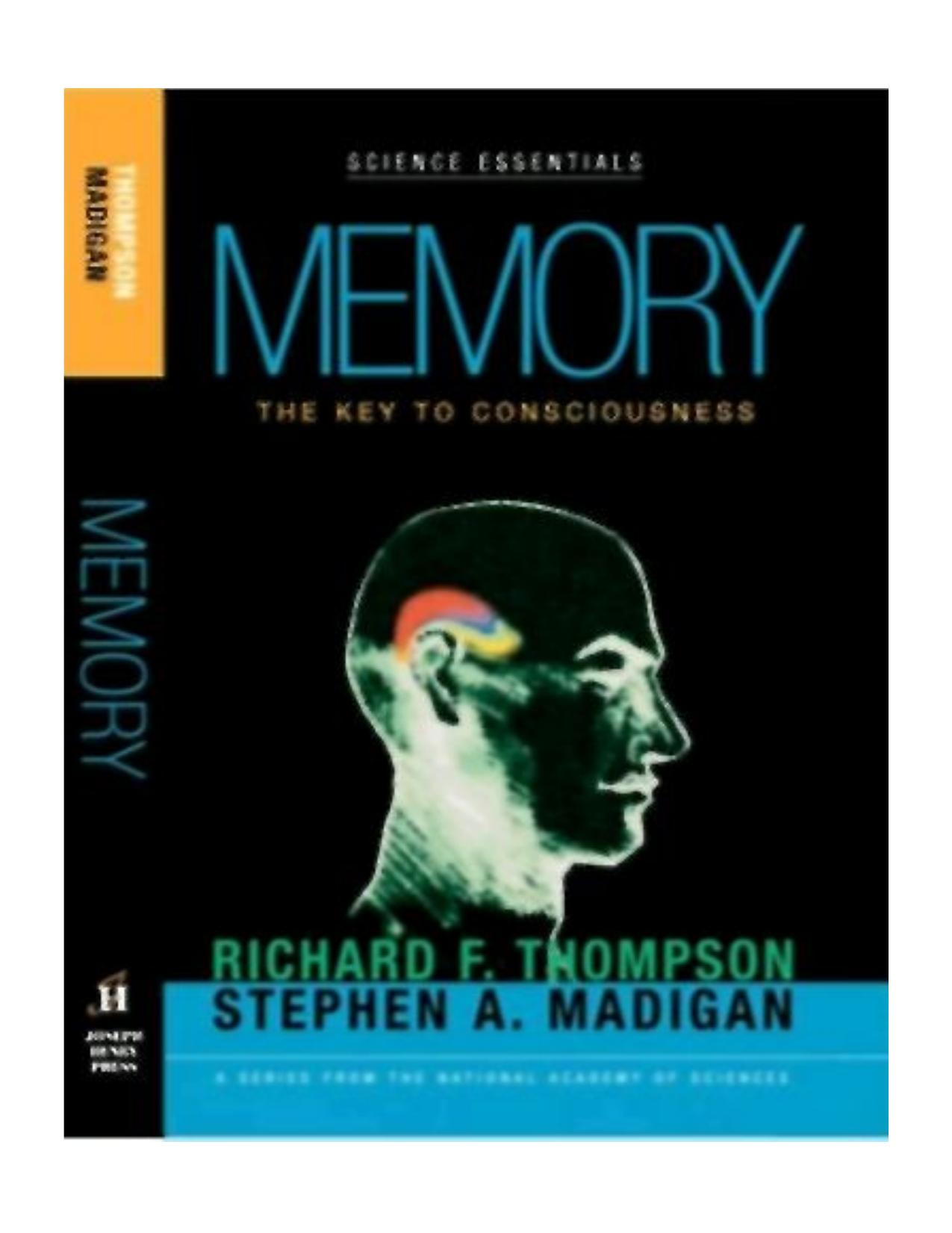
Author:Richard F. Thompson & Stephen A. Madigan [Thompson, Richard F. & Madigan, Stephen A.]
Language: eng
Format: epub, pdf
Tags: 0309093112 9780309093118 0691133115 9780691133119 0309549493 9780309549493
Published: 2011-02-17T01:51:30+00:00
Electroconvulsive therapy (ECT) for the treatment of severe depression is a very common medical procedure in many countries. Its use is strongly endorsed by the National Institutes of Health: "Not a single controlled study has shown another form of treatment to be superior to ECT in the short-term management of severe depression." For many patients a series of two or more treatments a week for perhaps four weeks results in remission of the most severe symptoms of depression and reduction in the risk of suicide. It is not a cure, because recurrence of depression is quite common. The modern form of the treatment consists of inducing a convulsion by passing an electric current through the brain by means of electrodes applied to the head. The patient is first given a muscle relaxant, an injection of a fast-acting barbiturate that produces unconsciousness, and is then given the convulsion-inducing electrical current.
Here is a description of what it is like to undergo ECT, written by Norman Endler, a psychologist whose own depression was not responding to drug treatments:
I changed into my pajamas and a nurse took my vital signs (blood pressure, pulse, and temperature).
The nurse and other attendants were friendly and reassuring. I began to feel at ease. The anesthetist arrived and informed me that she was going to give me an injection. I was asked to lie down on a cot and was wheeled into the ECT room proper. It was about eight o'clock. A needle was injected into my arm and I was told to count back from 100. I got about as far as 91. The next thing I knew I was in the recovery room and it was about 8:15. I was still slightly groggy and tired but not confused. My memory was certainly not impaired. I knew where I was. I rested for another few minutes and was then given some cookies and coffee. Shortly after eight thirty, I got dressed, went down the hall to fetch my wife, and she drove me home.
This description of ECT bears little resemblance to the descriptions often found in films, magazine articles, and in statements by certain advocacy groups (including the Church of Scientology). These sources depict ECT as a barbaric practice that robs people of their emotions and autobiographical memories. The idea that severe memory loss commonly results from ECT is widely believed, at least outside the medical specialties that actually use the procedure.
What is actually known about memory and ECT? First, massive erasure of personal memory is simply not a risk with modern
ECT. As Max Fink, psychiatrist and longtime proponent of ECT puts it, "There is no longer any validity to the fear that electroshock will erase memory or make the patient unable to recall her life's important events or recognize family members or return to work."
Download
Memory: The Key to Consciousness by Richard F. Thompson & Stephen A. Madigan.pdf
This site does not store any files on its server. We only index and link to content provided by other sites. Please contact the content providers to delete copyright contents if any and email us, we'll remove relevant links or contents immediately.
Unwinding Anxiety by Judson Brewer(73208)
The Art of Coaching by Elena Aguilar(53424)
The Fast Metabolism Diet Cookbook by Haylie Pomroy(21187)
Rewire Your Anxious Brain by Catherine M. Pittman(18716)
Healthy Aging For Dummies by Brent Agin & Sharon Perkins RN(17073)
Talking to Strangers by Malcolm Gladwell(13448)
The Art of Thinking Clearly by Rolf Dobelli(10609)
Mindhunter: Inside the FBI's Elite Serial Crime Unit by John E. Douglas & Mark Olshaker(9424)
Crazy Rich Asians by Kevin Kwan(9350)
The Compound Effect by Darren Hardy(9071)
Tools of Titans by Timothy Ferriss(8501)
Periodization Training for Sports by Tudor Bompa(8336)
Becoming Supernatural by Dr. Joe Dispenza(8281)
Wonder by R. J. Palacio(8174)
Bodyweight Strength Training by Jay Cardiello(7971)
Crystal Healing for Women by Mariah K. Lyons(7969)
Change Your Questions, Change Your Life by Marilee Adams(7854)
Nudge - Improving Decisions about Health, Wealth, and Happiness by Thaler Sunstein(7765)
Therapeutic Modalities for Musculoskeletal Injuries, 4E by Craig R. Denegar & Ethan Saliba & Susan Saliba(7747)
